
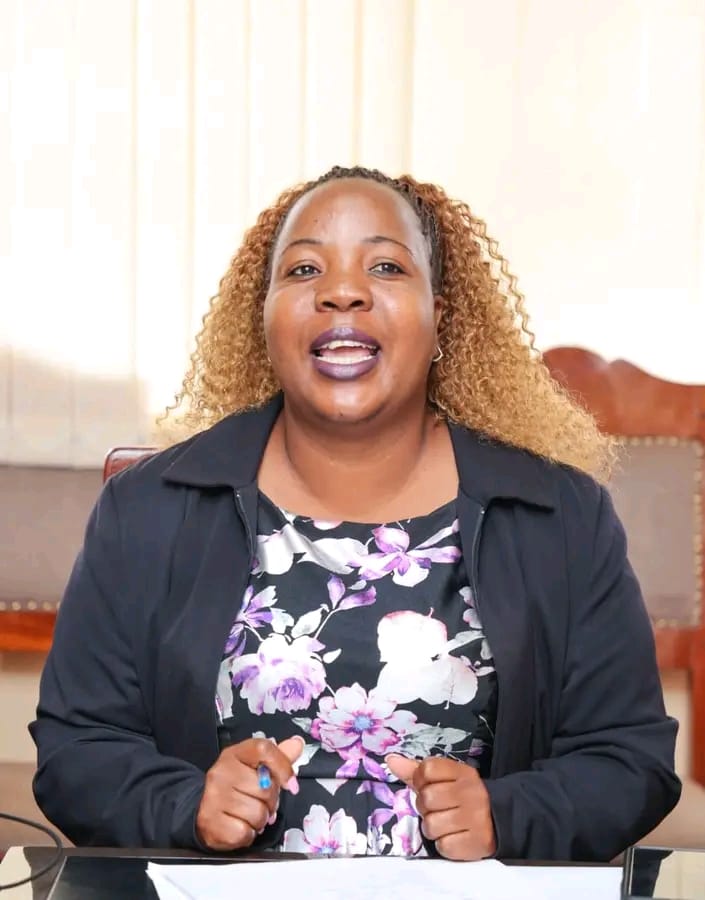

Civil Servants Trade Union has expressed dissatisfaction on the agreed salary increment with government.
Secretary General for the union, Titha Gomani, has told this publication following a series of meetings between the union and the Government Negotiating Team regarding demands for salary increments and revision of leave grants for the 2026–2027 period.
According to Gomani, an agreement has been reached to revise salaries by up to 20 percent, with an average adjustment of 18 percent and a minimum increase of 10 percent across various grades.
The breakdown of the revised salary structure is as follows:
Grades R to L: 20% increase, grades K to J: 18% increase, grades I to H: 16% increase, grade G: 15% increase, grade F: 13% increase, grade E: 12% increase, grades D to C: 11% increase, grades B to A: 10% increase.
In addition to salary adjustments, the leave grant has been increased by 25 percent for all grades. The new changes are set to take effect from 1 April 2026.
Despite the progress made during negotiations, the union has expressed dissatisfaction with the outcome.
Gomani indicated that the union had hoped for a higher adjustment, targeting at least a 30 percent average increase.
“Honestly, we are not satisfied. We expected at least a 30 percent average increment, but these are the results from the negotiations. We will assess the situation further in the coming period,” she said.
The negotiations come at a time when civil servants are facing increasing economic pressure due to the rising cost of living. In recent months, the introduction of new taxes and adjustments to existing levies have reduced disposable income for many workers.
At the same time, persistent increases in fuel prices have triggered a ripple effect across the economy, leading to higher transportation costs and a surge in prices of basic goods and services. This has significantly eroded purchasing power, making it difficult for civil servants to meet daily needs.
The combination of taxation measures and fuel price hikes has intensified calls from public sector workers for meaningful salary adjustments that reflect current economic realities. Many civil servants argue that the agreed increments fall short of cushioning them against inflationary pressures.
The union has hinted at continued engagement and possible future actions as they evaluate the agreement and its impact on civil servants.

