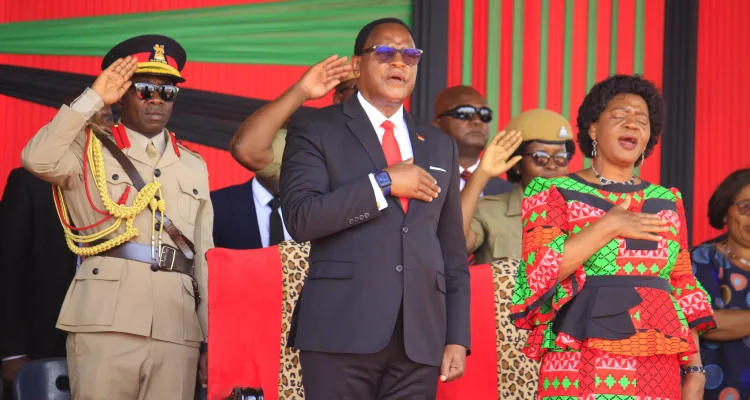

On March 14, 2025, James Woods-Nkhutabasa published an article titled Malawi’s Broken Promise – ‘From Hope to Crisis,’ in which he highlighted the challenges the country is facing. But is Malawi’s promise truly broken? Pessimists would see something in that direction when patriots see a resilient nation navigating through crises.
When Lazarus Chakwera took office in 2020, he inherited a nation burdened by deep-seated economic challenges, governance deficiencies, and a legacy of corruption from previous administrations. While it is undeniable that Malawi continues to face hardship, a more balanced analysis is necessary to fully understand the root causes of the current crisis and to appreciate the efforts being made to steer the country towards recovery.
A Perfect Storm: Climate, Economy, and Global Shocks
It is overly simplistic to blame the current administration for all of Malawi’s struggles. The country has faced a series of catastrophic climate events that would have severely tested any government. Cyclone Ana in 2022 and Cyclone Freddy in 2023 devastated major power infrastructure, including the Kapichira hydro dam, which resulted in a loss of 130 MW. These natural disasters, beyond any politician’s control, left entire regions in darkness. At one point, some areas had only one hour of electricity per day an untenable situation for businesses, hospitals, and schools. However, the government has been actively working to restore capacity, investing in solar energy and negotiating foreign aid to rebuild critical infrastructure.
Furthermore, the ongoing economic downturn is not unique to Malawi. Many developing nations have struggled with inflation and currency depreciation, exacerbated by global shocks such as the COVID-19 pandemic, supply chain disruptions, and the ripple effects of the Ukraine war. The Malawi kwacha has faced severe pressure, but it is crucial to recognize that this is part of a broader economic trend affecting several African nations. The administration’s pursuit of an IMF Extended Credit Facility and debt restructuring deals with China and India reflect a proactive approach to stabilizing the economy, rather than a descent into mismanagement.
Corruption: A Systemic Issue, not a New Phenomenon
The original article https://zwnews.com/malawis-broken-promise-from-hope-to-crisis/ – paints a bleak picture of corruption under Chakwera’s administration while conveniently ignoring the deeply entrenched nature of corruption in Malawi’s governance system. It is true that high-profile cases, including allegations against Vice President Saulos Chilima, have occurred. However, unlike previous regimes that turned a blind eye to corruption, this government has at least taken decisive action by suspending officials under investigation. The resignation of Martha Chizuma, the former Anti-Corruption Bureau chief selected through a legally constituted panel, is regrettable, but it does not erase the unprecedented number of high-profile cases she pursued under Chakwera’s leadership. The fight against corruption is ongoing, and dismantling decades of entrenched graft is not an overnight task.
Food Insecurity: A Regional Crisis
Malawi’s food security crisis is dire, with an estimated 25% of the population facing acute hunger. However, this is not solely a product of government failure. The severe El Niño-induced drought in 2024 has wreaked havoc across Africa, affecting agricultural output from Malawi to Kenya. While procurement scandals within the Affordable Inputs Program (AIP) have undoubtedly hampered relief efforts, it is misleading to suggest that the administration is sitting idly by. The government has been working with international organizations, including the World Food Programme, to provide emergency relief and long-term agricultural resilience strategies.
Power Struggles in the Opposition: A Recycling of Old Leaders
The opposition has seized on the current crisis to position itself as the answer to Malawi’s woes, but a critical examination of its key figures raises concerns. Peter Mutharika, now 84, presided over an administration plagued by nepotism and economic stagnation. His sudden re-emergence as a ‘savior’ rings hollow given his previous failures in office. Joyce Banda, another former president, is linked to the infamous Cashgate scandal. Neither of these figures represents the fresh leadership Malawi needs to move forward.
The Way Forward: A Call for Constructive Engagement
It is easy to criticize, but solutions require action. Rather than recycling past leaders or resorting to blanket condemnations, Malawi’s future depends on a collective effort to rebuild. The government must improve transparency, accelerate infrastructure repairs, and implement economic policies that directly benefit the people. The challenges are immense, but acknowledging both progress and setbacks is essential to fostering a constructive national dialogue. Malawi is not a failed state, it is a resilient nation navigating the storms of adversity with hope and determination.