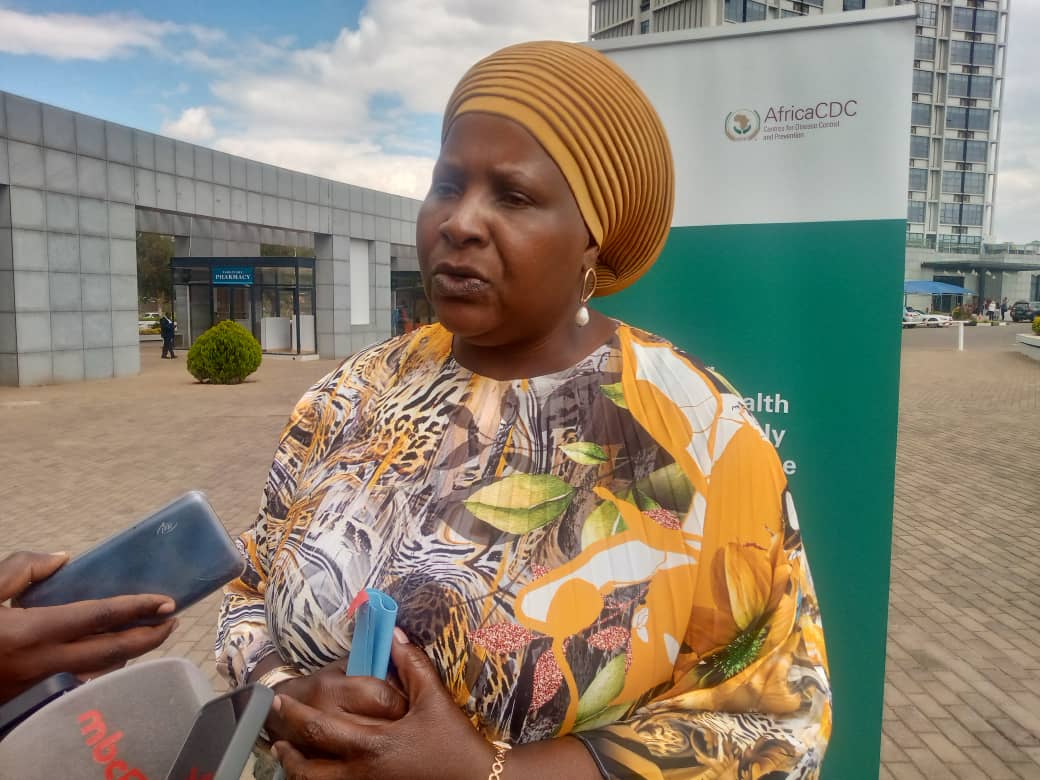

Minister of Health, Khumbize Kandodo Chiponda, has emphasized that training more community health workers is key to fighting disease outbreaks in Malawi.
Speaking during the opening of a four-day capacity-building training for 100 community health workers from eight outbreak-prone districts, Chiponda said the initiative will enhance Malawi’s pandemic preparedness, timely response, and community-based disease surveillance.
She stressed the importance of equipping community health workers with the necessary skills to manage public health emergencies, disease outbreaks, and other community health challenges.
“This training will help us manage the current Mpox outbreak. Our community health team is composed of various health professionals working together to safeguard public health,” said Chiponda.
She added that strengthening community health is part of revitalizing primary health care in line with the Alma-Ata (1978) and Astana (2018) declarations on primary health care.
Chiponda highlighted that community health is a vital bridge between the community and the health sector, especially as 81.5% of Malawi’s population lives in rural areas, with 24% living more than five kilometers away from the nearest health facility.
The training aligns with the National Community Health Framework (2023–2030) and the Community Health Acceleration Plan (CHAP) 2025–2027.
Dr. Lul Riek, Director of the Southern Africa Regional Collaborating Centre, also noted that Malawi, like many African countries, continues to face public health emergencies such as COVID-19, cholera, polio, and Mpox.
“Malawi is committed to fighting disease outbreaks, but the challenge lies in having enough well-trained health workers and resources. That’s why we are supporting with financial and technical assistance,” said Dr. Riek.
Participants in the training include health surveillance assistants, assistant environmental health officers, community health nurses, and community midwife assistants. They will gain essential knowledge and skills on pandemic preparedness and response.
The training is supported by the Africa Centres for Disease Control and Prevention (Africa CDC).