

The Malawian government has introduced measures to address the ongoing fuel shortage, offering hope for an imminent return to normalcy.
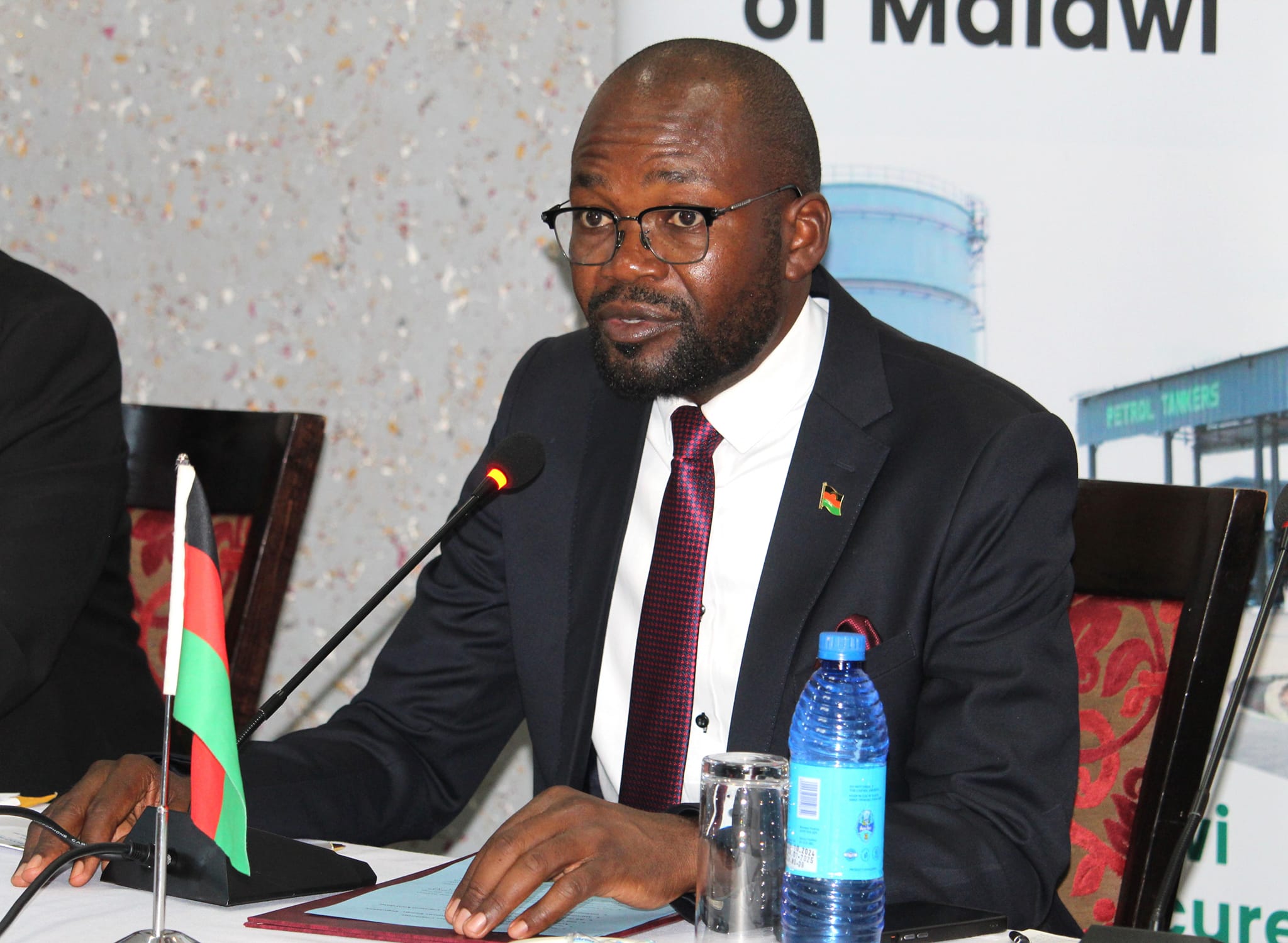
During a press briefing in Lilongwe on Wednesday, Minister of Information and Digitalization, Moses Kunkuyu, outlined steps being taken to stabilize the fuel supply. He announced that the government has allocated $21.5 million to fuel importers, allowing them to pay suppliers and authorize fuel loading, resulting in the securing of 26.9 million liters of fuel.
Additionally, Kunkuyu stated that the Arab Bank for Economic Development in Africa (BADEA) has disbursed $50 million to fuel suppliers, with disbursement expected to be completed within days. The minister also highlighted increased use of rail transport to reduce costs and ensure fuel delivery.
Kunkuyu, who also serves as the government’s spokesperson, explained that the immediate cause of the shortage was a 10-day suspension of fuel loading by suppliers due to unpaid debts and challenges in securing foreign exchange. However, he assured the public that the Malawi Energy Regulatory Authority (MERA) would not be adjusting fuel prices in response to the shortage.
Despite the challenges, Kunkuyu emphasized that Malawi still offers some of the cheapest fuel in Africa, and efforts are being made to maintain this by addressing cost factors.
The minister provided an update on the current fuel situation, expecting it to normalize by the weekend:
1. 44 petrol trucks carrying 1.8 million liters have crossed the Songwe border.
2. 29 trucks transporting 1.1 million liters of petrol are on the road, with 1,009,000 liters for NOCMA and 140,000 liters for PIL in transit.
3. 23 rail wagons are loading 800,000 liters to be dispatched.
4. 144 trucks carrying 5.5 million liters of petrol are currently loading in Beira.
Kunkuyu reassured the public that the government will continue overseeing the implementation of these measures to ensure the fuel supply returns to normal.
Also present at the briefing were Clement Kanyama, CEO of the National Oil Company of Malawi (NOCMA), and Henry Kachaje, CEO of MERA.


