Malawi is targeting at least 13,600 new electricity connections annually through mini-grid systems as part of its efforts to expand access to electricity in rural communities and achieve its ambitious target of 70 percent national electricity access by 2030.
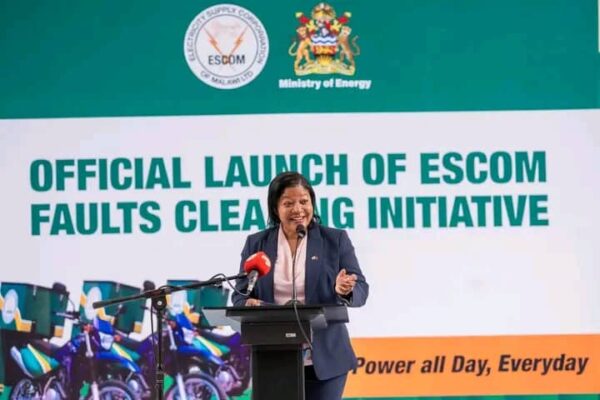
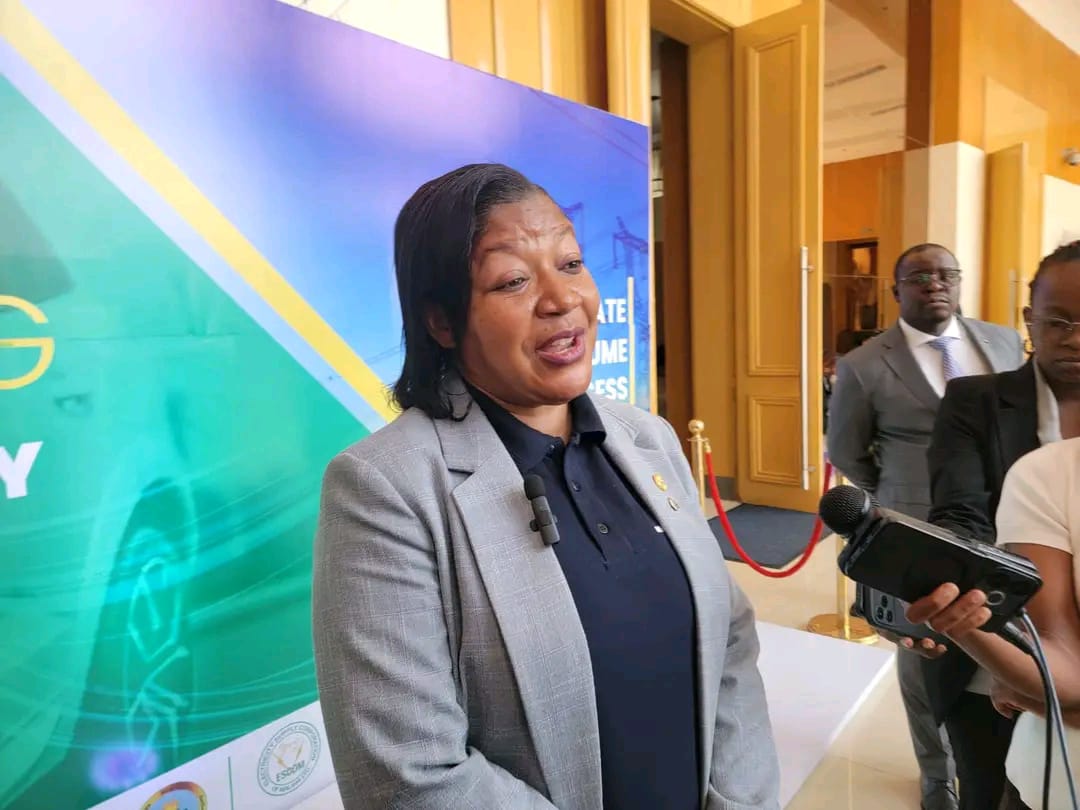
Minister of Energy Jean Mathanga announced the target on Wednesday during the launch of a solar-powered mini-grid at Lundu Trading Centre in Lilongwe.
The project, developed by Differ Community Power (DCP), marks the company’s first investment of this nature in Malawi.
Mathanga said off-grid energy solutions remain critical to extending electricity access to communities located beyond the reach of the national electricity grid. She described mini-grid systems as an essential component of the country’s rural electrification strategy and a key driver of inclusive development.
Currently, electricity access in Malawi stands at 25.9 percent, highlighting the significant challenges the country faces in expanding power supply.
Rural communities remain particularly disadvantaged, with only 3.8 percent of rural households connected to the national grid, compared to 56.5 percent in urban areas.
Under the National Energy Compact, Malawi aims to provide 2.7 million additional electricity connections by 2030. Of these, approximately 1.55 million connections are expected to be delivered through off-grid solutions, while the remaining 1.15 million will come from expanding the national electricity grid.
The newly launched Lundu mini-grid features a 40-kilowatt-peak (kWp) solar power plant supported by a battery storage system with a capacity of 102 kilowatt-hours (kWh).
The facility has also been designed to accommodate future expansion as electricity demand in the surrounding communities increases.
The project is expected to transform economic activities at Lundu Trading Centre and neighbouring communities by providing reliable electricity to support small businesses, stimulate investment and create employment opportunities.
Improved access to power is also expected to enhance service delivery, productivity and the general livelihoods of rural residents.
The government says expanding mini-grid infrastructure will be central to accelerating rural electrification and closing the country’s electricity access gap. With the 2030 target approaching, partnerships with private-sector investors such as Differ Community Power are expected to play an important role in delivering sustainable energy solutions to underserved communities across Malawi.