Minister of Natural Resources and Climate Change Patricia Wiskes has told Parliament that delays in granting environmental approval for the proposed Mulalo Granular Fertiliser Production Factory in Mchemela, Dowa District, were caused by the developer’s failure to submit a revised Environmental and Social Impact Assessment (ESIA) report within the required timeframe.
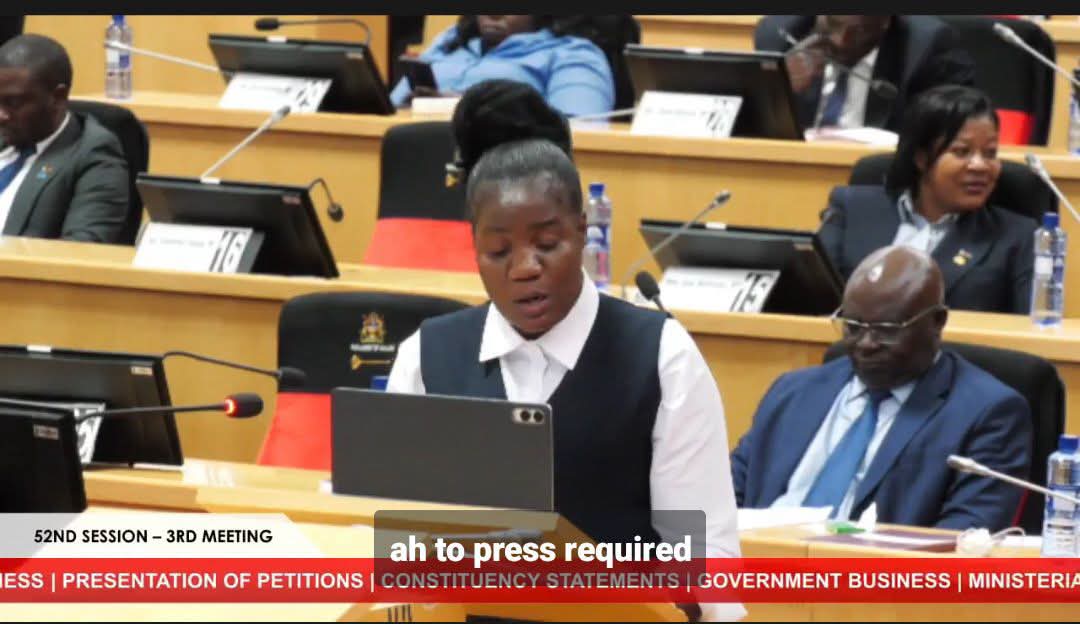
Responding to concerns in Parliament on Thursday, Wiskes said the Ministry of Natural Resources and Climate Change respects Parliament’s decision to establish an ad hoc committee to investigate the matter and will fully cooperate with the inquiry.
She assured lawmakers that the ministry would provide all relevant records, correspondence and technical documentation required by the committee.
“Although the original question was directed to the Ministry of Agriculture, it is important for me, as the minister responsible for the Malawi Environmental Protection Authority (MEPA), to clarify MEPA’s legal role,” Wiskes said.
She emphasized that environmental clearance is a statutory process governed by the Environmental Management Act and not a political decision, noting that the law exists to safeguard public health, protect the environment and preserve the livelihoods of surrounding communities.
While reaffirming government’s commitment to industrialisation and food security, Wiskes described the proposed fertiliser factory as a strategic investment with the potential to reduce Malawi’s reliance on imported fertiliser, create jobs and boost agricultural productivity.
“However, all projects must comply with the Environmental Management Act before implementation,” she said.
Wiskes outlined the project’s approval timeline, saying MEPA received the project brief on March 24, 2025, and completed its preliminary review within two days.
The developer later submitted a preliminary ESIA report on July 2, 2025.
According to the minister, MEPA responded before the end of July 2025, identifying several issues that required further attention, including hazardous waste and wastewater management, occupational health and safety measures, project design, stakeholder consultations and proof of land ownership.
“The developer did not submit a revised ESIA until March 2026, about nine months later.
Because of that, MEPA could not undertake a formal technical review during that period.
“Once the revised report was received, MEPA completed its technical review in May 2026, within the 60-working-day service standard,” Wiskes explained.
She said the review assessed key environmental risks, including the management of acid residues, contaminated sludge, phosphogypsum and industrial wastewater, as well as proposed treatment, disposal, monitoring and emergency response measures.
The assessment also evaluated the potential impact of the project on nearby water resources, including the Kang’ona River.
Wiskes said the developer submitted a further revised ESIA report on June 17, 2026. MEPA’s Technical Committee met on June 22 and concluded that the major environmental concerns had been satisfactorily addressed.
“The matter has now been referred to the MEPA Board for determination,” she said.
Wiskes concluded by saying government views environmental protection and economic development as complementary objectives, stressing that environmental regulations are designed to ensure investments are implemented in a lawful, responsible and sustainable manner.