The Youth Decide Campaign has called for the appointment of at least one qualified young Commissioner to the new cohort of Commissioners at the Malawi Human Rights Commission (MHRC).
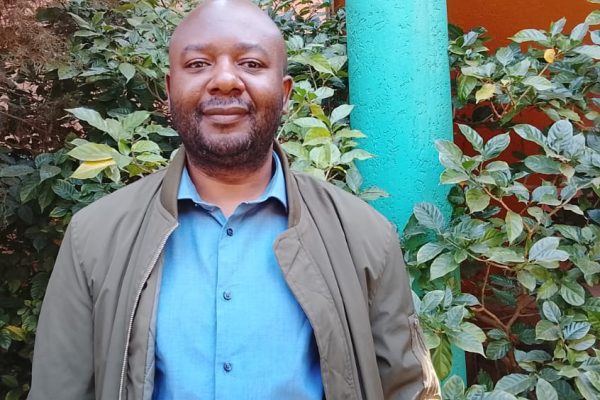
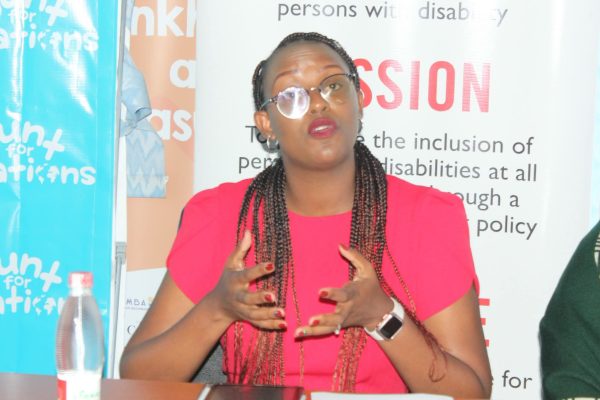
In a press statement issued on Tuesday, the Campaign’s National Coordinator, Mwandida Theu, said the appeal goes beyond demographic representation and aims to strengthen the legitimacy, responsiveness and effectiveness of one of Malawi’s key constitutional institutions.
“The call is about ensuring that the Commission reflects the people it serves,” said Theu.
She noted that young people make up the majority of Malawi’s population and are central to the country’s democratic future, economic transformation and social development.
Despite this, she said, young people continue to face the greatest burden of unemployment, inequality, barriers to justice, digital rights violations, gender-based violence, climate vulnerability and shrinking civic space, while remaining significantly underrepresented in decision-making bodies, including constitutional institutions.
The Campaign argued that the MHRC’s constitutional mandate to promote and protect the rights of all people without discrimination requires the institution itself to reflect the diversity of Malawian society.
According to Theu, including a young Commissioner would strengthen the Commission’s ability to address emerging human rights issues such as digital rights, climate justice and youth civic participation.
“Across Africa and globally, evidence shows that meaningful youth participation strengthens democratic governance,” she said.
The Campaign has therefore urged the MHRC and all appointing authorities to ensure that at least one qualified young person is appointed as Commissioner.
“Such an appointment would send a powerful national message that constitutional institutions belong to every generation and that leadership is determined by merit, competence and commitment to public service rather than age alone,” Theu said.
The Campaign also noted that the National Youth Policy recognizes young people as partners in governance and development and advocates for a minimum of 30 percent youth representation in governance and coordination structures.