A coalition of environmental civil society organizations has welcomed a High Court ruling that rejected an Anti-Corruption Bureau request to discontinue corruption charges against Chinese national Lin Yunhua, calling it a significant moment in Malawi’s fight against illegal wildlife trade.
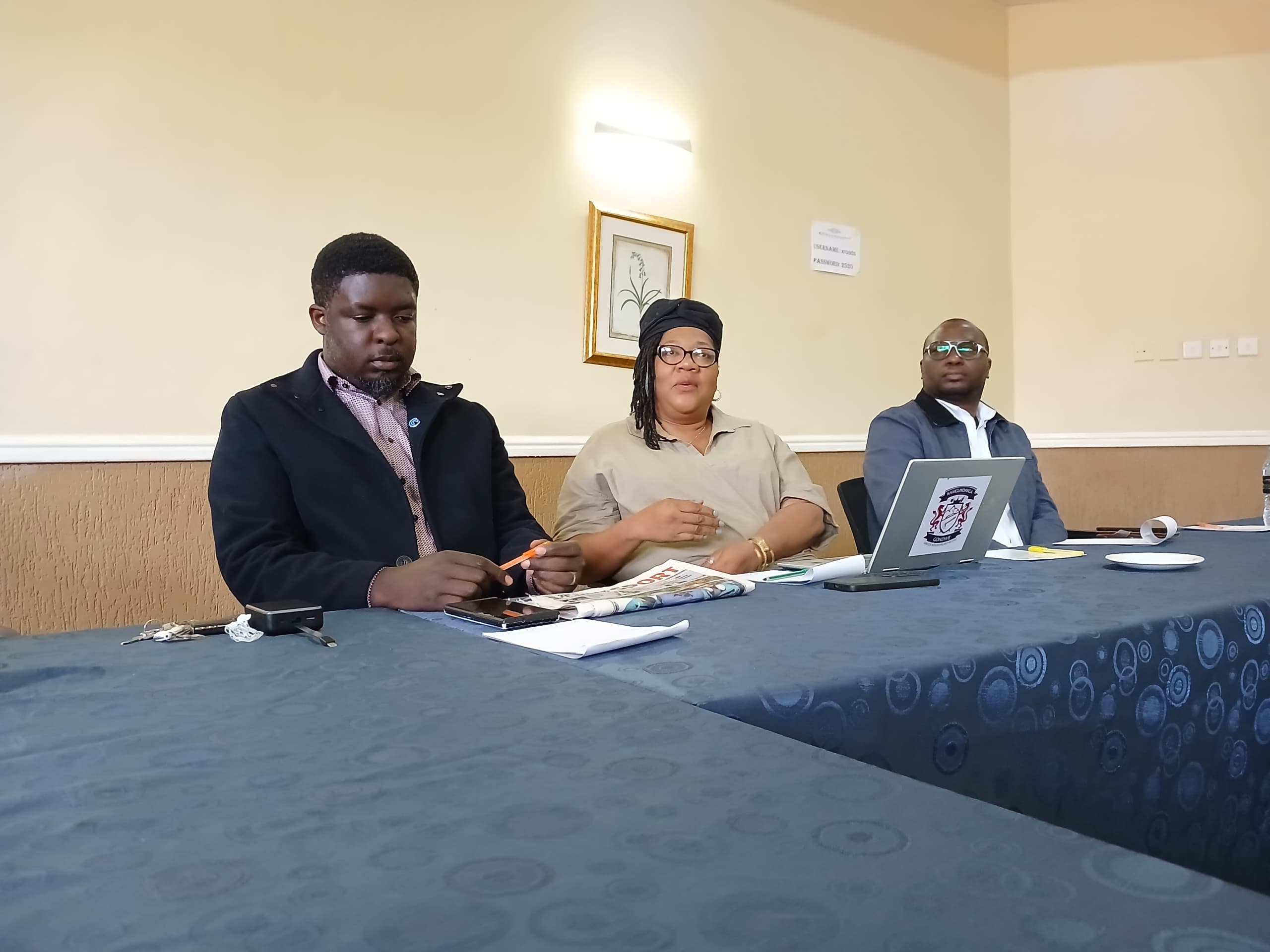
Speaking at a press briefing in Lilongwe on Thursday ,Movement for Environmental Action Mathews Malata said the 13 July 2026 decision represents a major milestone for a country that has struggled to translate wildlife protection laws into successful prosecutions of high-profile trafficking networks.
“The court has sent a clear message that due process must prevail,” Malata said.
The coalition, which also includes CEPA, the Civil Society Network on Climate Change, Lilongwe Wildlife Trust , Association of Environmental Journalists and Youth and Society among others, argued that environmental sustainability remains a central pillar of Malawi’s 2063 development agenda. They said tackling wildlife crime effectively is critical both to protecting biodiversity and to the country’s international standing on conservation.
The CSOs said the ruling is particularly important because the court also acknowledged the State’s power to discontinue cases through Parliament’s Legal Affairs Committee.
“That provision leaves the door open for another attempt.We will be watching closely and we will engage Parliament to ensure transparency and accountability if that route is pursued.”, Julius Ngoma
from Civil Society Network on Climate Change
The CSOs noted that DPP Masauko Chamkakala Maele previously served as legal counsel for Yunhua before his appointment in late 2025. While he has since ceased representation, the coalition is urging the DPP to recuse himself from any decisions relating to the matter.
“We call upon the DPP to restrain himself from the case to preserve public confidence,” they said.
Malawi has spent more than a decade strengthening its legal framework, including tougher minimum sentences under the National Parks and Wildlife Act. Those reforms improved conviction rates after years of cases collapsing or ending in weak fines. But the coalition warned that enforcement remains inconsistent, especially where foreign nationals and transnational syndicates are involved.
“Any attempt to withdraw these charges now would undermine years of investment by government, law enforcement and conservation partners,” said Lilongwe Wildlife Trust’s Dorothy Tembo-Nhlema.
The groups concluded by calling on all Malawians who believe in fair justice in and wildlife conservation to stand with them.
“Malawi’s reputation and our natural heritage depend on us seeing this case through,” they explained.
Lin Yunhua was convicted in 2021 as ringleader of a transnational syndicate and sentenced to 14 years for possession of rhino horn, dealing in government trophy, and money laundering.
He was among 37 prisoners pardoned during Malawi’s 61st Independence Anniversary on 6 July 2025.
The ACB later pursued separate corruption charges, but moved to discontinue them last week. The High Court dismissed that application, noting it was a waste of public resources.