Malawi has been urged to urgently review and reform its laws to establish a legal framework that promotes the responsible use of technology while supporting the growth of the country’s digital economy.
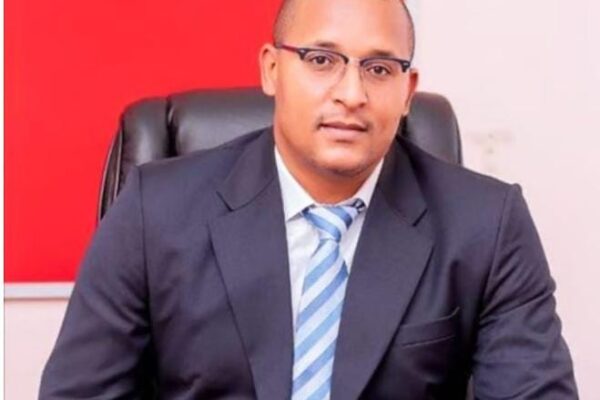
The call has come from former MACRA Director General Daudi Suleman, who says Malawi must change the way it views technology as the country enters the Fourth Industrial Revolution, driven by artificial intelligence, data and computing power.
Suleman said mobile phones, computers and other technological devices should no longer be viewed merely as communication or entertainment tools, but as instruments that can improve livelihoods and contribute to national economic development.
He also raised concern over the misuse of digital platforms through cyberbullying, insults, obscene content and other harmful activities.
“We don’t have to go there,” Suleman said, stressing the need for Malawi to prepare for future generations that will increasingly depend on data and digital technologies.
He has consequently called on Parliament to review existing laws to protect people in the digital space while creating an environment that encourages innovation, digital businesses and economic growth.
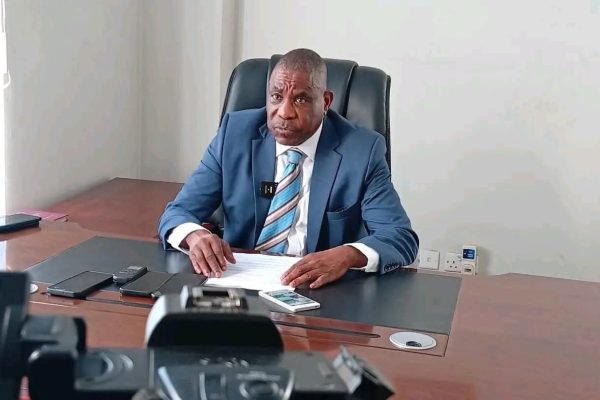
Meanwhile, TNM Chief Technical Officer Lloyd Gowera has told the Parliamentary Ad-hoc Committee investigating the plane crash how mobile network data was used during the search for the aircraft.
Gowera said the committee sought information on the networks used by people aboard the aircraft, the towers their phones connected to and the people they communicated with before the crash.
He said TNM detected calls made while the aircraft was travelling, including activity in the Simule-Mba and Chisi areas.
However, TNM initially encountered challenges after telephone numbers supplied through MACRA and the Office of the President and Cabinet were found not to correspond with people who were on the trip.
Gowera said some of the numbers were linked to Area 12 and Blantyre, while others were out of service and had reportedly been offline since April.
The discrepancy delayed efforts to use telecommunications data to narrow down the search area.
An emergency communication group involving MACRA, disaster management authorities, network operators, radio stations and other stakeholders was subsequently activated to share information during the search.
Through the group, information from an eyewitness who had seen the aircraft helped direct investigators towards the Nthungwa area.
Gowera said TNM later worked with MACRA to use Know Your Customer (KYC) records to identify telephone numbers believed to have been used by people aboard the aircraft.
Two numbers were eventually identified. However, Gowera said the process began at around 10 a.m., with feedback received between 11 a.m. and 11:30 a.m., by which time reports on social media were already indicating that the aircraft had been found.
Gowera also highlighted the significance of the Nthungwa TNM tower, saying it is a TNM-only site in the area and is powered by solar energy and a generator because of its distance from the national electricity grid.
He said that if TNM had received the correct telephone numbers on the first day, network data could potentially have identified Nthungwa as an area requiring attention during the search.
The committee also questioned Gowera about two numbers that appeared to have registered around the same time, including one associated with Nthungwa.
Gowera cautioned that telecommunications records must be interpreted carefully because voice calls, SMS and data sessions operate differently. A data session, for example, can begin in one location and end in another.
He said the registration of a phone on the Nthungwa tower alone could therefore not conclusively establish that the device was physically at the tower at the exact time the aircraft was circling or crashed.
According to Gowera, investigators would need to compare telecommunications data with the BFU report and eyewitness accounts to establish whether the aircraft or phones aboard it came within the Nthungwa tower’s coverage area.
The testimonies have highlighted the growing importance of technology and telecommunications data in Malawi, both in national investigations and in the country’s future economic development.