Malawi has joined other Commonwealth countries in commemorating Remembrance Day, also known as Poppy Day, in honour of soldiers who lost their lives during the First and Second World Wars, as well as those who died in subsequent conflicts and peacekeeping missions.
The national commemorations are taking place at various war memorial sites across the country, including the Mzuzu Cenotaph at Mzuzu Upper Stadium, the National War Memorial Tower in Lilongwe and the Zomba War Memorial Tower.
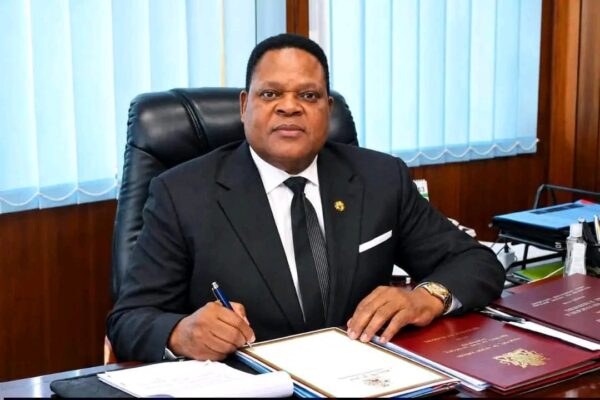
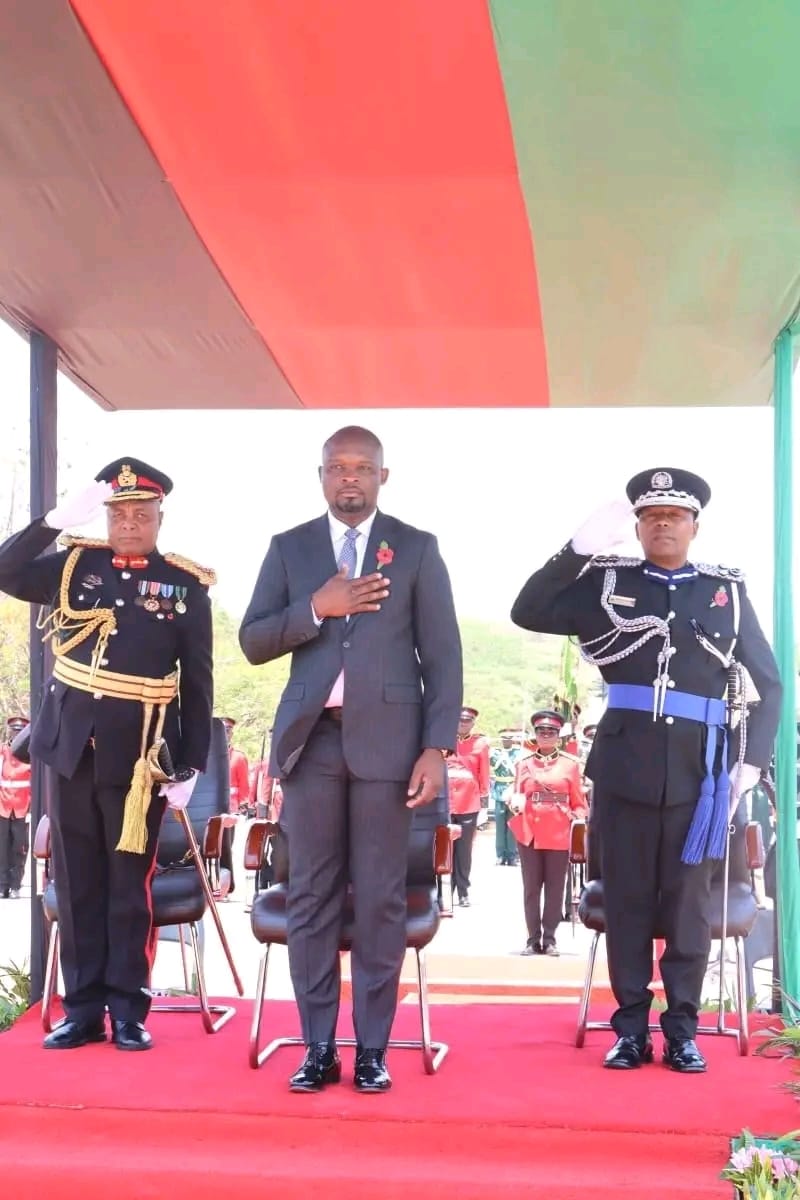
In Mzuzu, Minister of Transport and Public Works Jappie Mhango attended the ceremony, representing President Professor Arthur Peter Mutharika. Government ministers, senior government officials, security chiefs, traditional leaders and other invited guests also gathered to pay tribute to the fallen soldiers.
In Lilongwe, Minister of Youth, Sports and Culture Alfred Gangata represented the President, while in Zomba, Minister of Education Bright Msaka represented the Head of State at the commemorative ceremony.
The Lilongwe ceremony was also attended by Deputy Chief Secretary to the Government Stuart Ligomeka, Malawi Army Commander Major General Lackson Dziwika Phiri, who represented the Chief of Defence Force, Deputy Inspector General of Police Dr Noel Kayira, representing the Inspector General of Police, Lilongwe Deputy Mayor Triza Silo and Japan’s Ambassador to Malawi, Naito Yasushi, among other dignitaries.
The commemorations featured prayers, military parades, two minutes of silence, the sounding of the Last Post and the laying of wreaths in remembrance of those who made the ultimate sacrifice.
In Malawi, Remembrance Day also honours members of the country’s armed forces who lost their lives while serving in military operations and international peacekeeping missions.
The red poppy, which is central to the commemorations, symbolises remembrance, sacrifice and hope for lasting peace.
Remembrance Day is observed annually on 11 November or on the second Sunday of November, commemorating the armistice that ended fighting in the First World War, which came into effect at the eleventh hour of the eleventh day of the eleventh month in 1918.