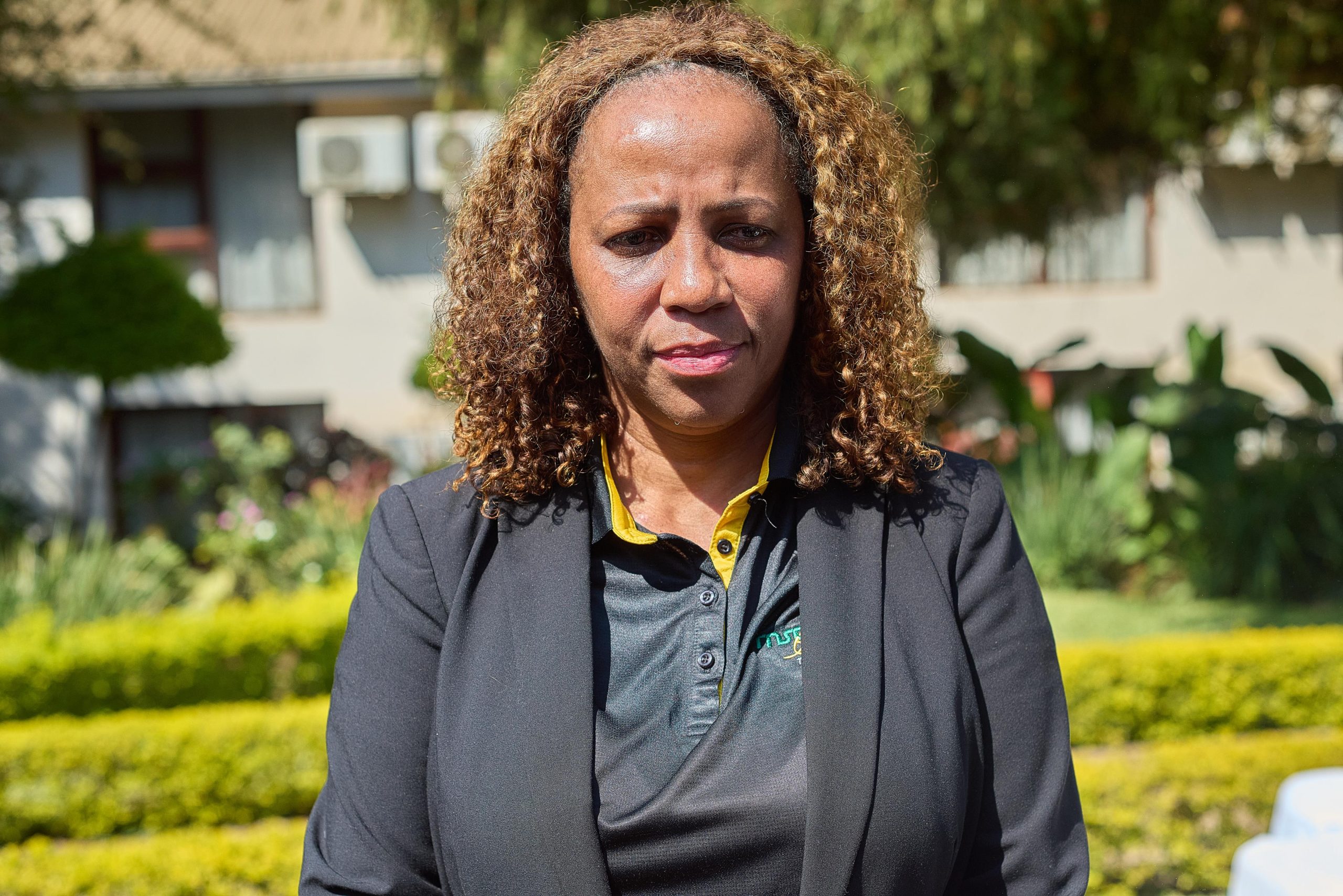
The Malawi Revenue Authority (MRA) is ramping up efforts to equip citizens with tax knowledge and promote voluntary compliance, saying a tax-conscious public is key to financing the country’s development priorities.
Speaking during a media training workshop in Lilongwe on Thursday, MRA’s Head of Corporate Affairs, Wilma Chalulu, said domestic revenue collection will become even more critical in the coming years as donor support continues to decline.
“Tax revenue remains the backbone of national development,” Chalulu told journalists.
She went on to say that with less external aid coming in, government will increasingly depend on the taxes collected by MRA to fund public services and development projects.
Chalulu stressed that the media has a vital role to play in that equation.
She however emphasized that accurate reporting and public education can demystify tax obligations and encourage more Malawians and businesses to comply voluntarily instead of waiting for enforcement.
One of the tools MRA is banking on is the newly introduced Electronic Invoice System, or EIS.
Chalulu explained that the EIS replaces the older Electronic Fiscal Device system and offers greater accuracy and efficiency for both taxpayers and the authority.
The new system integrates stock, sales, and purchase records in real time.
According to her this makes it easier for businesses to manage operations while also improving transparency.
She then urged all businesses with an annual turnover above K50 million to register for EIS without delay.
Beyond technology, MRA is also using fiscal policy to address social problems.
Chalulu revealed that government has imposed a 40 percent excise duty on scrap metal exports. The measure, she said, is aimed at curbing the rampant vandalism of electricity cables, telecommunications infrastructure, and railway equipment.
As the workshop closed, Chalulu called on journalists to help bridge the gap between tax policy and the public.
“When citizens understand why they pay tax and see how it is used, compliance becomes a choice, not a burden. That is the future MRA is working toward.”,She stressed

Related Articles
PUBLIC UNIVERSITY FEE HIKE DEEPENS FEARS AMID RISING COST OF LIVING

MP GRACE KWELEPETA REWARDS TOP STANDARD 8 LEARNERS, VOWS TO BOOST EDUCATION IN ZOMBA MALOSA

KWELEPETA STEPS UP EDUCATION SUPPORT AS 46 LEARNERS SECURE BOARDING SCHOOL PLACES