The Malawi Government is strengthening partnerships with financial institutions, property developers and development organisations to expand access to decent and affordable housing as the country seeks to address its growing housing deficit.
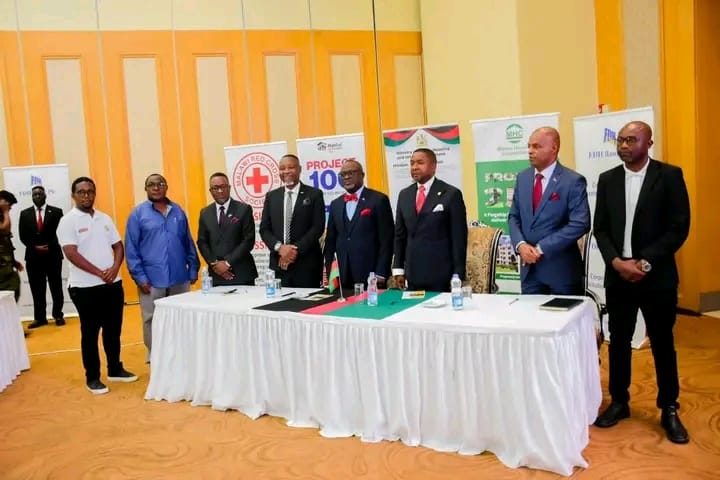
Minister of Lands Chimwemwe Chipungu, Malawi Housing Corporation (MHC) Chief Executive Officer Dr Bob Chinkango and Habitat for Humanity Malawi Chief Executive Officer Lex Chapota say collaboration between government and the private sector is essential to increasing housing delivery and improving living conditions for Malawians.
Under Project 250, the Malawi Housing Corporation plans to facilitate the construction of 250,000 houses, with FDH Bank identified as its first financing partner.
Chinkango said the agreement with FDH Bank provides for financing 10,000 housing units in the first phase, with construction expected to commence in November 2026, subject to logistical arrangements.
He added that discussions were underway with Eris Properties and NICO Capital for an additional 10,000 houses.
Chinkango said the corporation was pursuing partnerships to mobilise the resources required to meet the country’s housing needs, in line with its mandate to provide decent and affordable accommodation.
Meanwhile, Chipungu highlighted the importance of partnerships involving financial institutions, property developers and housing organisations in expanding housing delivery across the country.
The housing programme also faces challenges, including the high cost of building materials, access to suitable land and the need to develop homes that can withstand the effects of climate change.
Habitat for Humanity Malawi CEO Lex Chapota said the organisation was contributing financial resources, technical expertise and partnerships to support the country’s housing sector.
Chapota disclosed that Habitat for Humanity Malawi was investing US$2.5 million in Malawi during the 2026/2027 financial year through its programmes.
He also highlighted the organisation’s Project 100 initiative, which plans to deliver 100 disaster-resilient homes at an estimated cost of US$2 million.
Beyond constructing houses, Chapota said the organisation was interested in supporting improvements in informal settlements, where many urban residents face challenges related to inadequate housing and basic services.
The organisation’s approach places emphasis on disaster-resilient housing and improving living conditions for vulnerable communities.
The combined efforts by government, the Malawi Housing Corporation, financial institutions and development partners are expected to contribute to expanding the supply of housing and addressing the country’s housing challenges.
However, the impact of the initiatives will depend on financing arrangements, implementation timelines and the affordability of the completed houses to ordinary Malawians.
Further details on housing locations, prices, eligibility criteria and financing terms are expected to clarify how prospective homeowners will benefit from the different programmes.