Malawi’s drive to expand investment in distributed renewable energy is emerging as a key pillar of President Professor Arthur Peter Mutharika’s economic transformation agenda, with the government positioning reliable and affordable electricity as a catalyst for increased productivity, industrialisation and job creation.
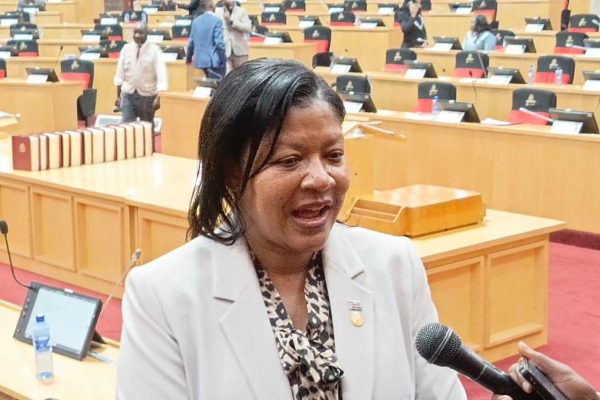
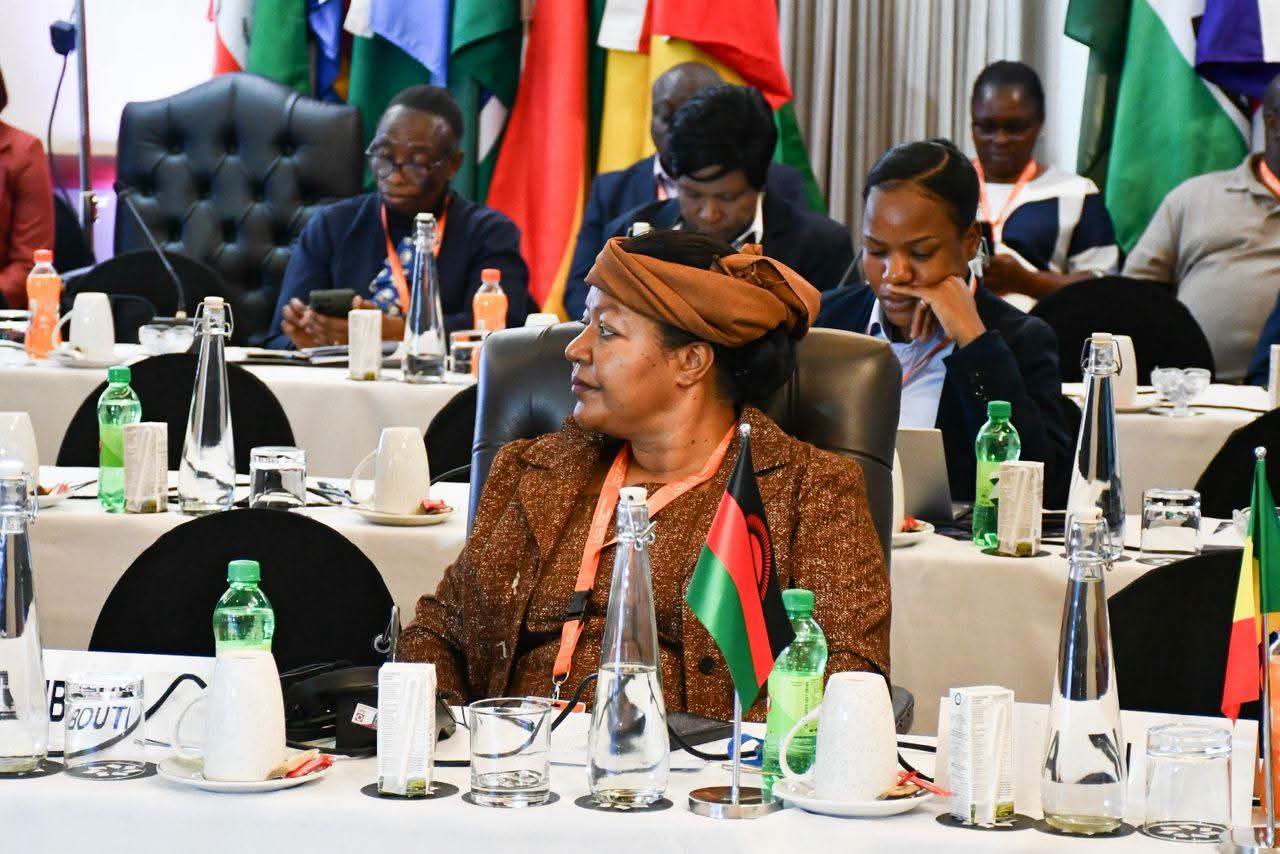
Speaking at the 8th International Solar Alliance (ISA) Conference in Victoria Falls, Zimbabwe, Minister of Energy Honourable Dr Jean Mathanga, M.P., called for the implementation of the Africa50 Distributed Renewable Energy (DRE) Fund, arguing that rural electrification must go beyond powering households to supporting economic production.
Dr Mathanga said Malawi urgently needs to extend reliable and affordable electricity to areas where productive activities are taking place, particularly agricultural production zones and emerging mining investments, many of which are located away from major urban centres.
She said expanding access to electricity in such areas would help unlock economic potential by supporting agricultural value addition, strengthening businesses and creating employment opportunities.
The minister’s position is in line with the Mutharika administration’s broader economic agenda, which places increased productivity and industrialisation at the centre of Malawi’s development efforts.
By bringing reliable electricity closer to rural communities and production centres, the government aims to create an enabling environment for businesses to expand and for new industries to emerge.
The government has already demonstrated its commitment to renewable energy through measures including duty waivers on renewable energy products. However, Dr Mathanga stressed that public resources alone would not be sufficient to meet the scale of investment required to rapidly increase electricity access across the country.
She said the Africa50 DRE Fund could provide an important opportunity for the private sector to significantly increase its participation in Malawi’s energy sector.
The fund is therefore being viewed as a potential vehicle for mobilising additional investment into distributed renewable energy projects, particularly in underserved areas where conventional grid expansion may take longer or prove more costly.
For Malawi, the emphasis represents a shift in how rural electrification is viewed—from simply providing households with lighting to using energy access as a foundation for economic activity.
The government’s message is clear: Malawi’s energy transition must power more than homes. It must also power farms, businesses, mines and emerging industries.
By combining public policy, renewable-energy incentives and private-sector investment, the Mutharika administration is seeking to make reliable and affordable energy a cornerstone of Malawi’s industrialisation drive and long-term economic development.