The Director General of Kamuzu Central Hospital (KCH), Dr Amosi Msekandiwana, has called for comprehensive support for cancer patients beyond medical treatment, emphasising the need to address their psychological, emotional and social well-being.
Speaking during the third Cancer Summit organised by the National Cancer Centre at Kamuzu Central Hospital, Dr Msekandiwana said this year’s theme, “Surviving to Thriving,” highlights the importance of helping patients live fulfilling lives after cancer treatment.
Dr Msekandiwana explained that while some patients diagnosed with early-stage cancer can be cured, others with advanced cancer require palliative care and continuous support to improve their quality of life.
He observed that cancer and its treatment can affect patients psychologically and socially, citing hair loss and breast removal among women as some of the challenges that may affect their confidence and social interactions.
He said there was a need to go beyond providing medicines and medical procedures to ensure that cancer survivors receive the necessary emotional, psychological and social support.
The Director General disclosed that the National Cancer Centre had treated more than 2,000 patients with different types of cancer over the previous 12 months, including cervical, breast and prostate cancer.
He said the centre has two radiotherapy machines and one brachytherapy machine to support cancer treatment, but the growing number of patients requires additional investment in human resources and specialised services.
Dr Msekandiwana said Malawi needs more oncologists, oncology nurses, medical physicists and technicians to strengthen cancer diagnosis and treatment.
He further called for the establishment of a fully-fledged National Cancer Centre institution with an independent management structure capable of conducting specialised training, undertaking research, informing health policies and positioning Malawi as a regional destination for advanced cancer care.
Meanwhile, Principal Secretary responsible for Administration in the Ministry of Health, Beston Katsamile, said the two-day summit provides an important platform for discussing cancer prevention, early detection, treatment and support for survivors.
Katsamile said many cancers can be prevented or successfully treated when detected early, urging Malawians to seek medical attention at their nearest health facilities whenever they notice unusual signs or symptoms.
He emphasised that public awareness is essential in encouraging people to undergo screening and seek medical assistance before cancer progresses to advanced stages.
Katsamile commended the establishment of the National Cancer Centre, saying it has reduced the need for Malawians to travel abroad for specialised cancer treatment.
He explained that before the centre was established, many patients were referred to countries such as India and South Africa, where testing and medication alone could cost at least 15,000 United States dollars per patient, excluding transportation and accommodation expenses for patients and their guardians.
According to Katsamile, providing cancer services locally has helped ease the financial burden on patients and the Ministry of Health, particularly given the limited resources available to the health sector.
He also called on the media to intensify public awareness campaigns to inform Malawians about cancer prevention, early detection and the availability of treatment services at the National Cancer Centre.
Katsamile further highlighted the importance of research, saying continued studies into cancer are necessary to improve understanding of the disease and strengthen the country’s response to the growing demand for treatment.
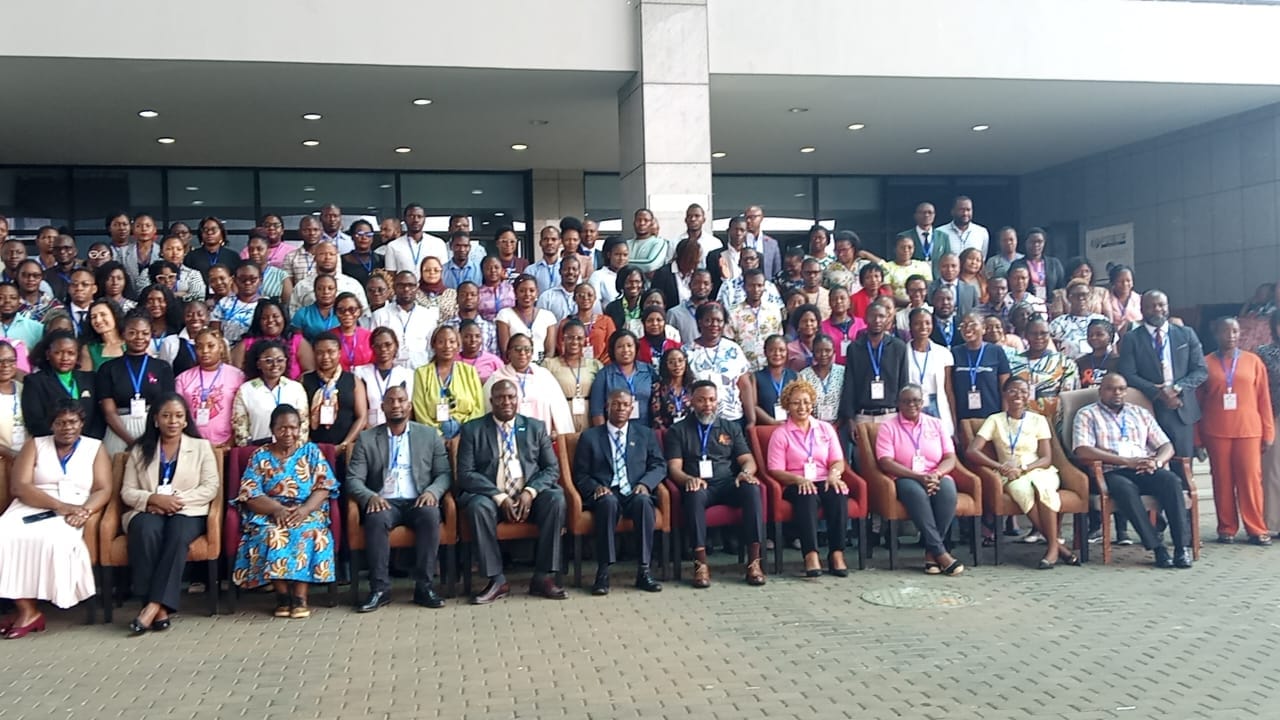
The summit has brought together stakeholders from the Ministry of Health, the National Cancer Centre, oncologists, Baylor College of Medicine, the Global Health Project and the National AIDS Commission, among other partners, to discuss ways of improving cancer care and supporting patients and survivors.
The discussions are expected to strengthen collaboration among health professionals, government institutions and development partners to ensure that cancer patients not only survive the disease but also receive the support they need to thrive.