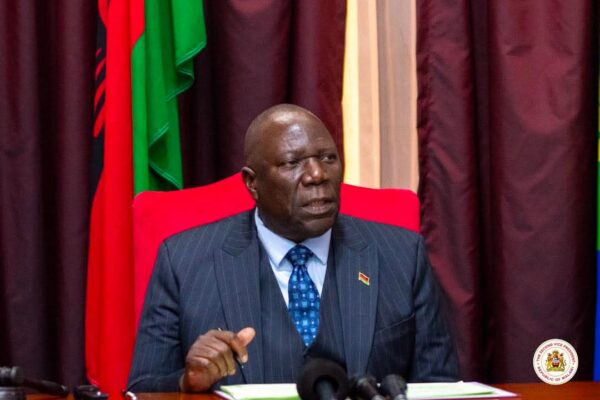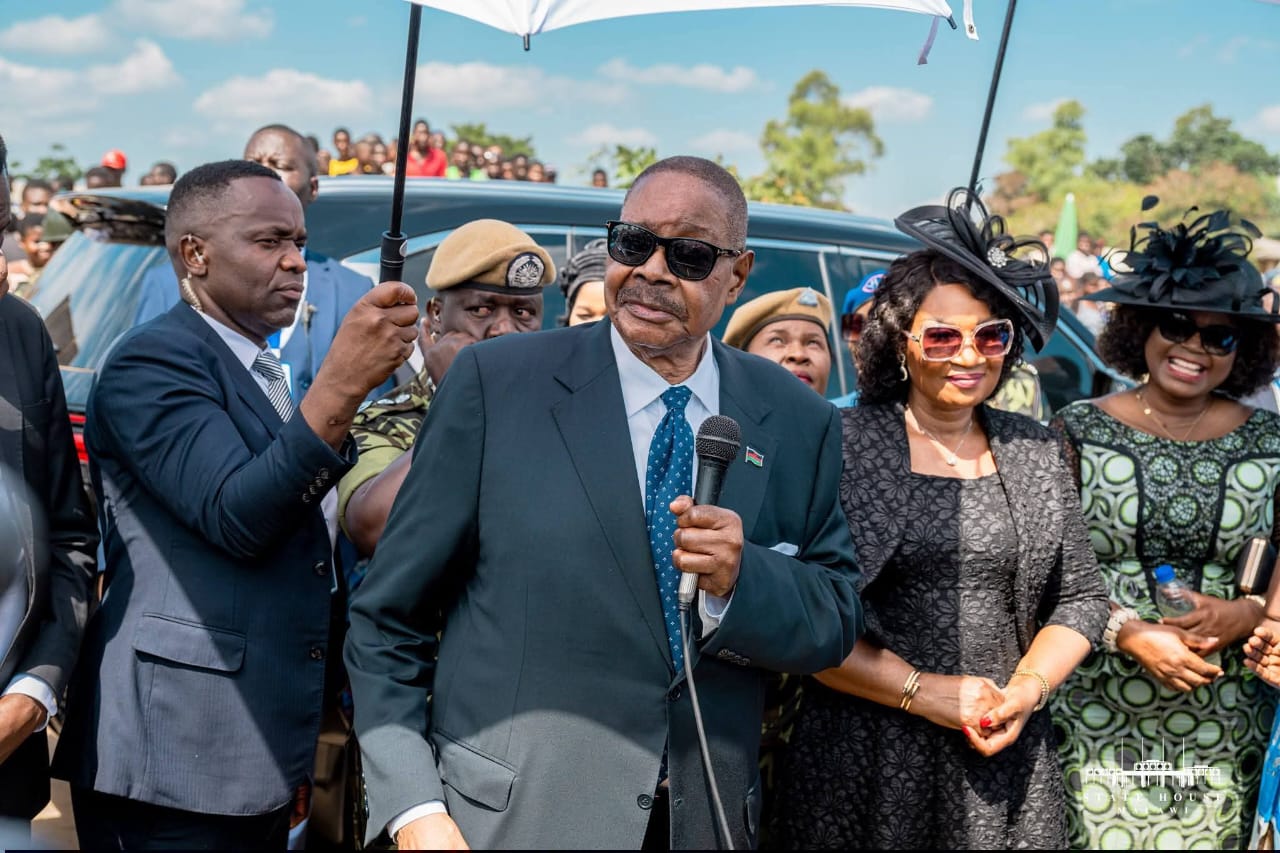
As debate continues over employment creation and public sector reforms in Malawi, recent developments within the Constituency Development Fund (CDF) framework have reignited discussion about the legacy of President Professor Peter Mutharika’s administration in expanding job opportunities and strengthening local governance structures.
The Ministry of Local Government and Rural Development has confirmed that the recruitment process for 687 council officers has advanced to the interview stage across all councils nationwide.
The positions, which include accountants, procurement officers, works supervisors, and engineers, are expected to reinforce implementation and oversight of development projects at constituency and district levels.
Analysts note that while the recruitment exercise is currently being implemented, its foundation lies in reforms introduced under the restructured CDF programme, which was championed as part of President Mutharika’s broader decentralisation and grassroots development agenda.
The significance of the recruitment extends beyond the number of jobs being created. By targeting technical and administrative personnel, the programme seeks to address long-standing capacity constraints that have often affected project planning, financial management, procurement processes, and infrastructure supervision within local authorities.
Equally notable is the government’s confirmation that qualified engineers have now been recruited for all 36 councils with support from the World Bank.
Development experts argue that the presence of technical personnel at council level is critical for improving project quality, reducing implementation delays, and ensuring better value for public resources.
The recruitment drive also follows the completion of appointments to key senior management positions in councils, including Directors of Finance, Directors of Planning, Directors of Public Works, and Chief Procurement Officers.
For years, many of these offices had been occupied in acting capacities, a situation that governance observers frequently associated with weakened institutional efficiency and accountability.
Supporters of the Mutharika administration view the latest recruitment exercise as evidence that the reforms initiated during his tenure were designed not only to accelerate local development but also to generate employment opportunities within the public service.
They argue that strengthening council staffing structures represents a practical approach to job creation because it simultaneously improves service delivery and expands professional opportunities for qualified Malawians.
Critics may question the pace and scale of employment creation in the public sector, but the ongoing recruitment process provides measurable evidence of jobs being generated through decentralisation initiatives.
With hundreds of officers expected to be deployed across councils, the programme is likely to have both direct employment benefits and wider developmental impacts through improved implementation of community projects.
As interviews commence nationwide, the exercise is increasingly being cited by proponents of the former administration as an example of how institutional reforms under President Peter Mutharika sought to combine job creation with enhanced local government performance, a dual objective that remains central to Malawi’s development aspirations.

Related Articles

MP KWELEPETA ELECTED AS CHAIRPERSON OF COMMONWEALTH WOMEN PARLIAMENTARIANS AFRICA

UNIMA ECONOMIST’S INNOVATIVE TOOL GAINS GLOBAL RECOGNITION FOR ECONOMIC PLANNING
MULANJE DISTRICT COMMISSIONER CHRISS NAWATA LEADS DECISIVE FIGHT AGAINST TEENAGE PREGNANCY, SCHOOL DROPOUTS