The Government has announced that the Reformed Constituency Development Fund (RCDF) is ready for nationwide implementation following the completion of key administrative, technical, and governance preparations aimed at improving transparency, accountability, and equitable distribution of development resources.
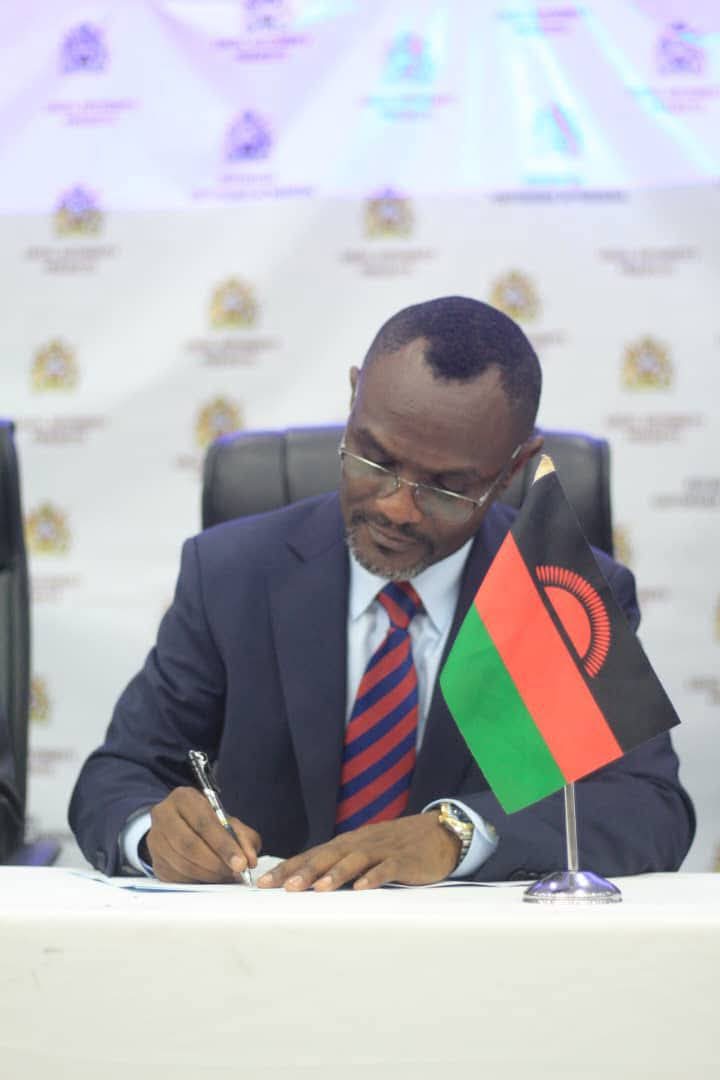
Presenting a ministerial statement in Parliament on Monday, Minister of Local Government and Rural Development Dr. Ben Malunga Phiri said the reforms represent a major milestone in the government’s decentralisation agenda and President Lazarus Chakwera’s vision of ensuring that public resources benefit all Malawians equally.
According to the minister, the reformed fund was introduced to address weaknesses that affected the previous Constituency Development Fund by strengthening financial accountability, technical oversight, citizen participation, and project management through local government structures.
“The Reformed CDF places communities at the centre of development planning while ensuring that public resources are managed transparently and in accordance with the law,” Phiri told Parliament.
Phiri disclosed that the Ministries of Local Government, Finance, and Justice have jointly finalized comprehensive implementation guidelines covering planning, budgeting, procurement, financial management, monitoring, reporting, and accountability.
The guidelines have already been disseminated to District Commissioners, Chief Executive Officers, Members of Parliament, councillors, Area Development Committees (ADCs), and Constituency Development Committees (CDCs) to prepare them for implementation.
He said the orientations were intended to ensure all governance structures understand their respective roles in project identification, implementation, management of school bursaries, and administration of youth and women’s revolving loans.
The minister revealed that all local authorities have opened dedicated RCDF bank accounts with support from the Accountant General’s Department to facilitate smooth implementation of projects.
Although preparatory funds were released in May 2026 to support project identification, he acknowledged that some councils are yet to access the funds due to administrative challenges, adding that his ministry is working with the Accountant General to resolve the matter.
To strengthen the capacity of local authorities, the ministry has filled several senior technical positions, including 13 Directors of Economic Planning and Development, 18 Directors of Public Works, 12 Chief Procurement Officers and 8 Directors of Human Resources and Administration.
Additionally, interviews for 687 constituency development officers—including assistant accountants, works supervisors, and assistant procurement officers—were conducted on June 29, with results expected by July 10.
Government has also requested approval to recruit 36 internal auditors and additional technical personnel, including environmental officers and procurement specialists, to improve project supervision and financial management.
In a move aimed at promoting value for money, the ministry has finalized standardized architectural designs and Bills of Quantities (BoQs) for commonly implemented infrastructure projects.
Phiri said the standardisation will reduce cost variations, improve quality, and ensure consistency in infrastructure development across all constituencies.
The minister said local authorities have completed participatory planning processes involving Village Development Committees, Area Development Committees, Constituency Development Committees, councillors, Members of Parliament, and other stakeholders.
Projects for implementation during the 2026/27 financial year have already been identified, while some councils have begun procurement processes for contractors.
School Bursaries and Revolving Loans
Government has also finalized school bursary guidelines in collaboration with the Ministry of Education.
The new framework aims to ensure that deserving students are selected through transparent community structures before bursary awards are approved.
Meanwhile, youth and women’s revolving loans under the Reformed CDF will be administered through the Malawi Enterprise Development Fund (MEDF).
Beneficiaries will be identified through a structured process beginning at village level before progressing through Area Development Committees, Constituency Development Committees, local authorities, and finally MEDF.
Phiri said Standard Operating Procedures for the loan programme have already been completed and orientation of implementing stakeholders will commence soon.
He further confirmed that the Ministry of Finance has already released initial funds to MEDF for the revolving loan programme.
Digital Dashboard to Boost Transparency
One of the major innovations under the Reformed CDF is the introduction of a digital dashboard that will provide real-time monitoring of project implementation across the country.
The platform, currently undergoing testing, is expected to be launched later this month.
Once operational, Members of Parliament, councils, and the public will be able to monitor project progress, procurement status, financial performance, and project completion in real time.
To ensure effective implementation, the ministry has introduced monthly virtual review meetings with District Commissioners and Chief Executive Officers, regular procurement review sessions, continuous capacity building, strengthened monitoring systems, and performance assessments linked to CDF implementation.
Government Reaffirms Commitment
Concluding his statement, Phiri described the Reformed Constituency Development Fund as a transformative programme that places communities at the heart of development while strengthening transparency and accountability.
He urged Members of Parliament, traditional leaders, civil society organisations, development partners, and local communities to support the implementation process and safeguard public investments.
“The Reformed CDF represents a transformative shift in local development financing. Together, we can strengthen local governance, improve service delivery, create employment opportunities, and accelerate Malawi’s socio-economic development,” he said.