The Civil Society Network on Climate Change (CISONECC) joined the global community in commemorating the International Day for Disaster Risk Reduction (IDDRR) 2026 under the theme “Resilience Starts at Home.”
In a press statement dated 13th October, 2026 and signed by National Coordinator Julius Ng’oma and Board Chairperson Gift Numeri, CISONECC says this year’s theme is a vital call to action for governments, the private sector, civil society, organizations of persons with disabilities, women’s and youth groups, communities and households to take concrete steps toward reducing disaster risks where it matters most.
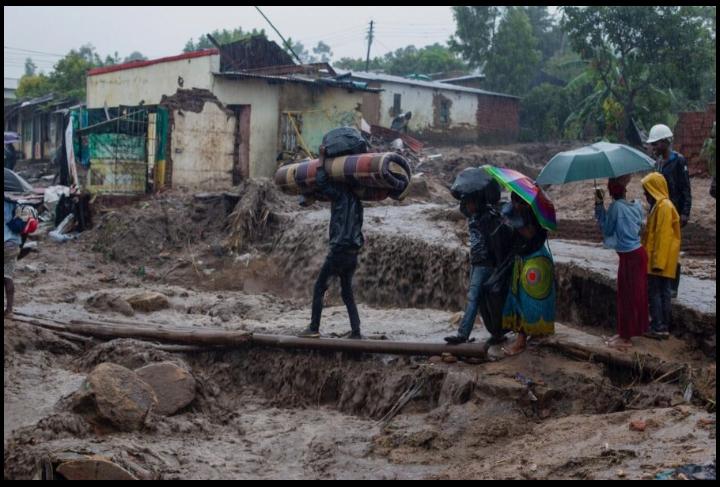
According to the organization, Malawi continues to experience an upward trend in losses and damages from climate-induced disasters emanating from hazards such as rainstorms, floods, mudslides, strong winds, droughts, pest infestations and disease outbreaks, which reverse development gains and threaten livelihoods across the country.
The network added that the theme also underlines a fundamental truth that safe, adequate and resilient housing is not only a basic human right but also a first line of defence against disasters, noting that houses built in high-risk areas without disaster-resilient designs become sites of vulnerability.
CISONECC further said houses located in high-risk areas and those inadequately maintained to withstand growing hazards become sites of vulnerability, contributing to economic and non-economic loss such as loss of lives and displacement that worsen poverty and inequality, especially for low-income households, persons with disabilities and women.
On this IDDRR, it reiterated its call for Government to retain leadership in reducing disaster risk and to accelerate operationalization of the Disaster Risk Management Act, 2023, including finalization of its regulatory framework and enforcement of stronger climate and disaster risk management policies.
The organization called on development partners to continue supporting disaster risk reduction initiatives, the private sector to prioritize long-term resilience over short-term expediency, civil society to drive community awareness, the media and academic institutions to enhance early warning systems, and citizens to actively participate in local disaster risk reduction efforts.
CISONECC said Malawi cannot achieve effective disaster risk reduction while unsafe housing, risk-blind settlement development and inadequate investment in household resilience continue to create and reproduce disaster risk, stressing that the cost of building resilience into homes is only a fraction of the cost of post-disaster recovery.