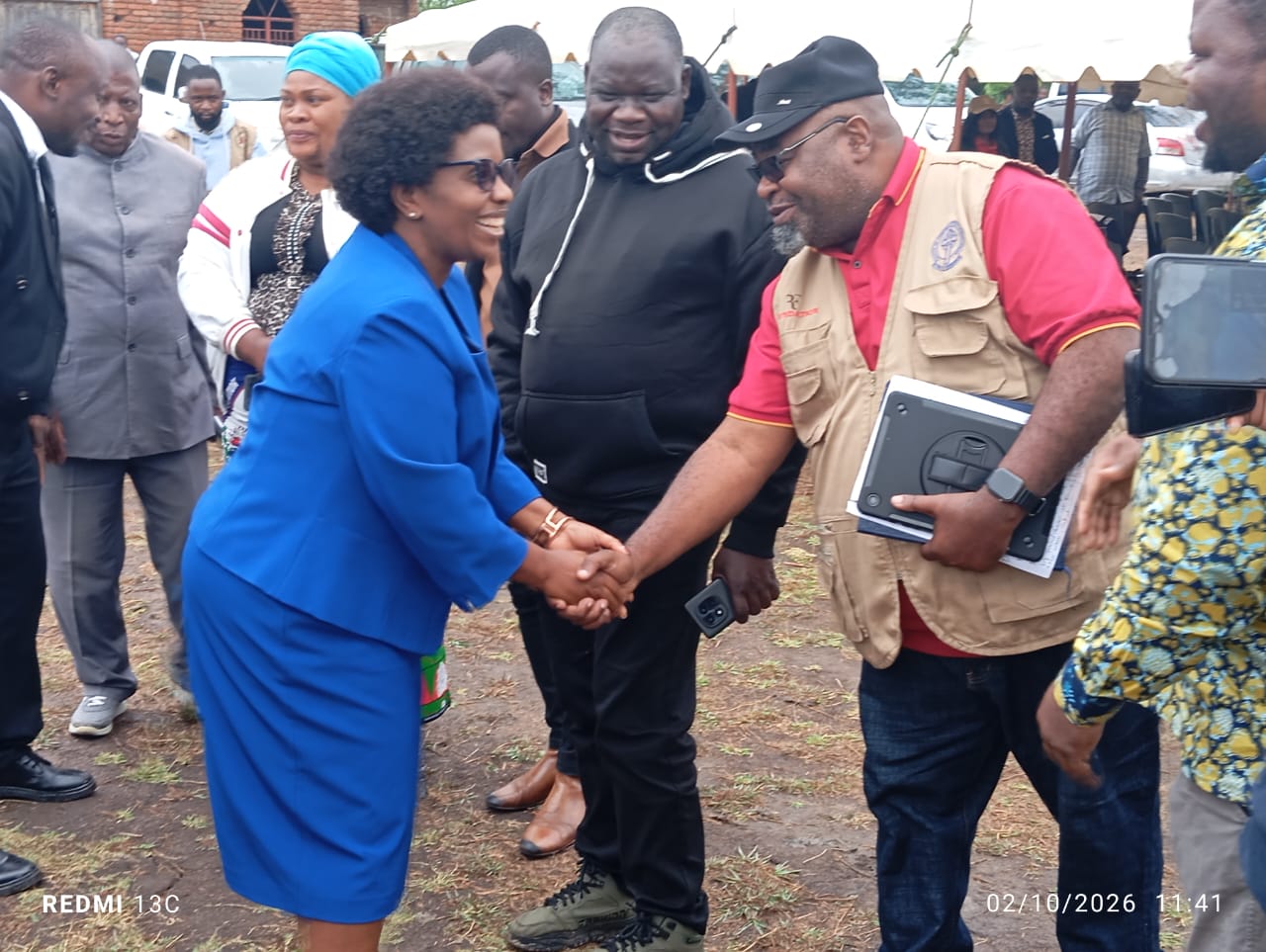
Deputy Minister of Gender, Children, Disability and Social Welfare, Martha Mzomera Ngwira, MP, has called on all stakeholders to treat Early Childhood Development (ECD) as a critical national investment, saying the Malawi the country aspires to build depends on how it nurtures its children today.
Speaking during the official opening of the National Early Childhood Development Week of Advocacy and Awareness yesterday in Jali, Zomba, under the theme “Championing Children: Investing Today, Securing Tomorrow,” she said the commemoration is more than a calendar event but a call to action for the nation.
Ngwira stressed that government recognises human capital development as central to national transformation.
She emphasized that human capital does not begin in secondary school or at the workplace, but in the earliest years of life, noting that ECD must be understood not as a mere welfare intervention but as a fundamental investment in education, health, productivity and long-term prosperity towards Malawi 2063.
“The Ministry in collaboration with its partners has made remarkable strides. With support from the World Bank under the Investing in Early Years for Growth and Productivity Project, we have made significant progress in the construction of 149 model Community-Based Childcare Centres across 10 districts; with support from Roger Federer Foundation, we constructed 80 models and 2,500 satellites. With support from various partners, we have trained over 31,000 caregivers across the nation. With support from Feed the Children, World Food Programme and others, we are also feeding over 4,000 children across the nation,” she said.
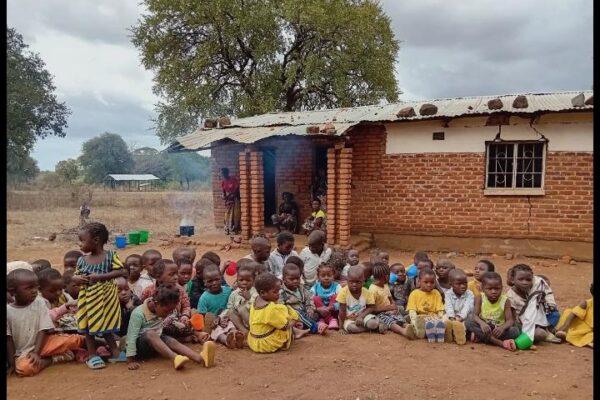
However, she was quick to point out that challenges remain enormous. Many children still attend ECD centres that lack adequate infrastructure, learning and play materials, water and sanitation facilities and other basic requirements. She stressed the need to address the capacity, welfare, motivation, remuneration and formalization of ECD caregivers, saying government alone cannot address the gaps and that is why the advocacy week has been organized to mobilize support.
The deputy minister said the week is aimed at raising visibility of ECD, strengthening public understanding of its importance and renewing collective commitment. She challenged stakeholders to reflect on critical questions of whether the country is investing enough in the first years of life, whether ECD priorities are reflected in plans and budgets, whether centres provide safe, stimulating and inclusive environments, and whether every child regardless of birthplace or family background is given a chance to reach full potential.
She appealed to Members of Parliament to champion ECD in their constituencies and ensure children’s needs are reflected in local development priorities, while calling on all District Councils to adequately reflect ECD in District Development Plans, annual plans and budgets including the Constituency Development Fund. She also urged traditional and religious leaders to continue championing positive parenting, child protection and active family participation, noting that policies alone cannot deliver without strong community ownership.
Beyond government and communities, she called on the private sector to invest in ECD as part of social responsibility, stressing that supporting ECD is not charity but an investment in the future workforce. She also clarified the relationship between ECD and P-Class, saying the two should not be seen as competing programmes but as complementary stages.
ECD provides holistic foundation through play and exploration while P-Class offers a bridge to formal primary school, and the goal should be a seamless early learning pathway from home through ECD into P-Class and primary education.